
Medically reviewed by our clinical team · Last reviewed Oct 19, 2026 · How we create and review content
What is testosterone replacement therapy?
Testosterone replacement therapy restores testosterone to a normal range in men whose bodies don't make enough. Doctors call that condition hypogonadism. It can start in the testes (primary hypogonadism) or in the pituitary gland and hypothalamus, which signal the testes (secondary hypogonadism). TRT comes in several FDA-approved forms, including injections, topical gels, patches and pellets. Your clinician will talk through which, if any, fits your health and lifestyle.
TRT is not a general anti-aging treatment. The Endocrine Society guideline recommends diagnosing hypogonadism only in men with consistent symptoms and unequivocally low testosterone on repeat morning testing.
Who is a candidate for TRT in Houston?
You may be evaluated if you are an adult man in Texas and you've noticed several of the following:
- Lower sex drive or fewer spontaneous erections
- Persistent fatigue that doesn't improve with rest
- Loss of muscle mass or strength, or more body fat
- Low mood, irritability or trouble concentrating
- Reduced bone density or a history of low-trauma fractures
Low testosterone is confirmed by labs, not by a symptom checklist. Read more about low testosterone symptoms and their other causes.
Who should not start TRT
Guidelines advise against testosterone therapy for men who are planning to have children in the near future. The same goes for men with prostate or breast cancer, an untreated high hematocrit, untreated severe obstructive sleep apnea, uncontrolled heart failure, or a recent heart attack or stroke. Your clinician will screen for these during your TRT Houston evaluation.
Testosterone testing: the labs behind a diagnosis
Testosterone follows a daily rhythm and peaks in the morning, which is why guidelines call for at least two early-morning total testosterone tests on different days. The American Urological Association uses a total testosterone below 300 ng/dL as a reasonable cutoff to support the diagnosis when symptoms are present. Depending on your history, your clinician may also order:
- Free testosterone and SHBG, especially if total testosterone is borderline
- LH and FSH, to tell primary from secondary hypogonadism
- Complete blood count, to get a baseline hematocrit
- PSA, for men in age groups where prostate monitoring is recommended
- Prolactin, estradiol, thyroid tests or A1C, when the clinical picture calls for them
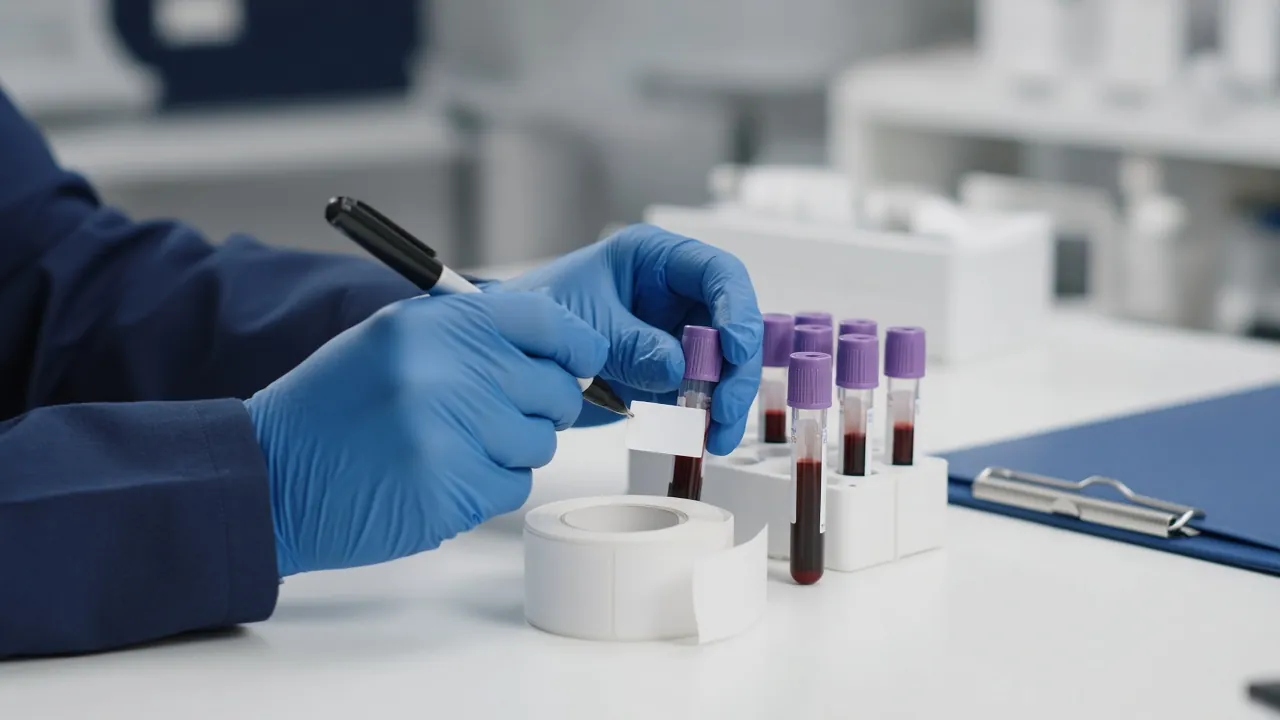
Houston patients have blood drawn at a nearby Quest or Labcorp location. See our testosterone blood test guide for preparation tips.
How the TRT Houston process works
- Online intake. Share your symptoms, medical history, medications and goals.
- Lab order. Book a morning draw at a service center near you, whether that's in Katy, the Heights, Pearland or The Woodlands.
- Video consultation. A Texas-licensed clinician reviews your results and explains them in plain language.
- Treatment decision. If TRT is appropriate, you get a written plan covering the form of therapy, dosing, and the follow-up schedule. If it isn't, you get guidance on the likely cause and next steps.
- Monitoring. Testosterone and hematocrit are rechecked a few months after starting, then on a regular schedule, with PSA monitoring when appropriate.
Benefits: what TRT can and can't do
In men with confirmed hypogonadism, testosterone therapy can improve libido and sexual function. It may also help bone density, muscle mass, anemia and mood. In older men without a clear medical cause, the evidence review for the American College of Physicians guideline found only small improvements in sexual function and quality of life, and little to no effect on energy, physical function or cognition. A good clinician will tell you which group you're in.
Risks and side effects of testosterone therapy
According to the Mayo Clinic and the FDA labeling for testosterone products, risks include:
- Higher red blood cell counts (erythrocytosis), which can raise clot risk
- Suppressed sperm production and smaller testes
- Acne, oily skin and breast tenderness or enlargement
- Worsening of untreated sleep apnea
- Growth of existing prostate cancer or benign prostate enlargement
- Higher blood pressure with some formulations
The 2023 TRAVERSE trial found testosterone therapy was not inferior to placebo for major cardiac events in men with hypogonadism and elevated cardiovascular risk. It did report higher rates of atrial fibrillation, pulmonary embolism and acute kidney injury. That's why monitoring isn't optional at TRT Houston.
Texas and federal rules for TRT by telehealth
Texas law (Occupations Code Chapter 111) allows a practitioner-patient relationship to be established through telemedicine if the visit meets the in-person standard of care. Testosterone is a Schedule III controlled substance, so federal DEA rules also apply. Current federal telemedicine flexibilities run through December 31, 2026. Your clinician will follow whatever rules are in effect at the time of your visit, which may include an in-person evaluation.
Testosterone replacement therapy in Houston, on your schedule
Whether you work in the Texas Medical Center, commute to the Energy Corridor, or work shifts near the Ship Channel, TRT Houston is designed so evaluation and follow-up fit around your week, not the other way around. Start with an online consult, or call (281) 670-9727 with questions. Want a broader workup? Pair TRT with hormone optimization testing, or ask about medical weight loss if weight is part of the picture.
Testosterone Replacement Therapy in Houston: FAQs
How soon could I start testosterone replacement therapy in Houston?
That depends on lab timing and your clinician's review. Diagnosis needs at least two morning tests, and results usually come back within a few business days of each draw. Your clinician will give you a realistic timeline.
Is TRT an injection, gel or pellet?
All three are FDA-approved forms, along with patches and others. Your clinician will recommend a form based on your health, preferences and monitoring needs.
Does TRT affect fertility?
Yes, it can suppress sperm production. If fertility matters to you now or soon, tell your clinician, because other approaches may be more appropriate.
Will I need TRT for life?
Not necessarily, but many men with permanent hypogonadism continue long-term. If you stop, levels typically return to where they were before treatment. Decisions about stopping should be made with your clinician.
What happens if my testosterone is borderline?
Your clinician may repeat the test, measure free testosterone and SHBG, and look for reversible causes like sleep apnea, weight or medications before recommending treatment.
Can I get TRT in Houston without labs?
No. Responsible testosterone replacement therapy always requires lab confirmation and ongoing monitoring. That is standard at TRT Houston.
Sources and further reading
- Endocrine Society: Testosterone Therapy in Men With Hypogonadism (clinical practice guideline, 2018)
- American Urological Association: Evaluation and Management of Testosterone Deficiency guideline
- Annals of Internal Medicine: Efficacy and Safety of Testosterone Treatment in Men (ACP evidence report, 2020)
- Mayo Clinic: Testosterone therapy, potential benefits and risks as you age
- New England Journal of Medicine: Cardiovascular Safety of Testosterone-Replacement Therapy (TRAVERSE trial, 2023)
- MedlinePlus (NIH): Testosterone levels test
- MedlinePlus (NIH): Complete blood count (CBC)
- National Cancer Institute: Prostate-Specific Antigen (PSA) test
- Texas Occupations Code, Chapter 111: Telemedicine and telehealth
- HHS: DEA and HHS extend telemedicine flexibilities for prescribing controlled medications through 2026